![[Field Report] Linking East African Botanicals to the Global Beauty Supply Chain: ITC Cosmetics Market Linkage Retrospective](/assets/images/uploads/field-report-linking-east-african-botanicals-to-the-global-b.jpg)
At Parallel 37, our core mission is bridging high-value commercial gaps—connecting unique, sustainable raw material producers with high-growth global consumer markets through robust B2B route-to-market (RTM) architecture.
Recently, serving as a Cosmetics Market Linkage Expert contracted by the International Trade Centre (ITC), we spearheaded the market entry initiative for Ugandan small-and-medium enterprises (SMEs) bringing East African Nilotica Shea Butter (Vitellaria Nilotica) to the Asian and global cosmetics sectors.
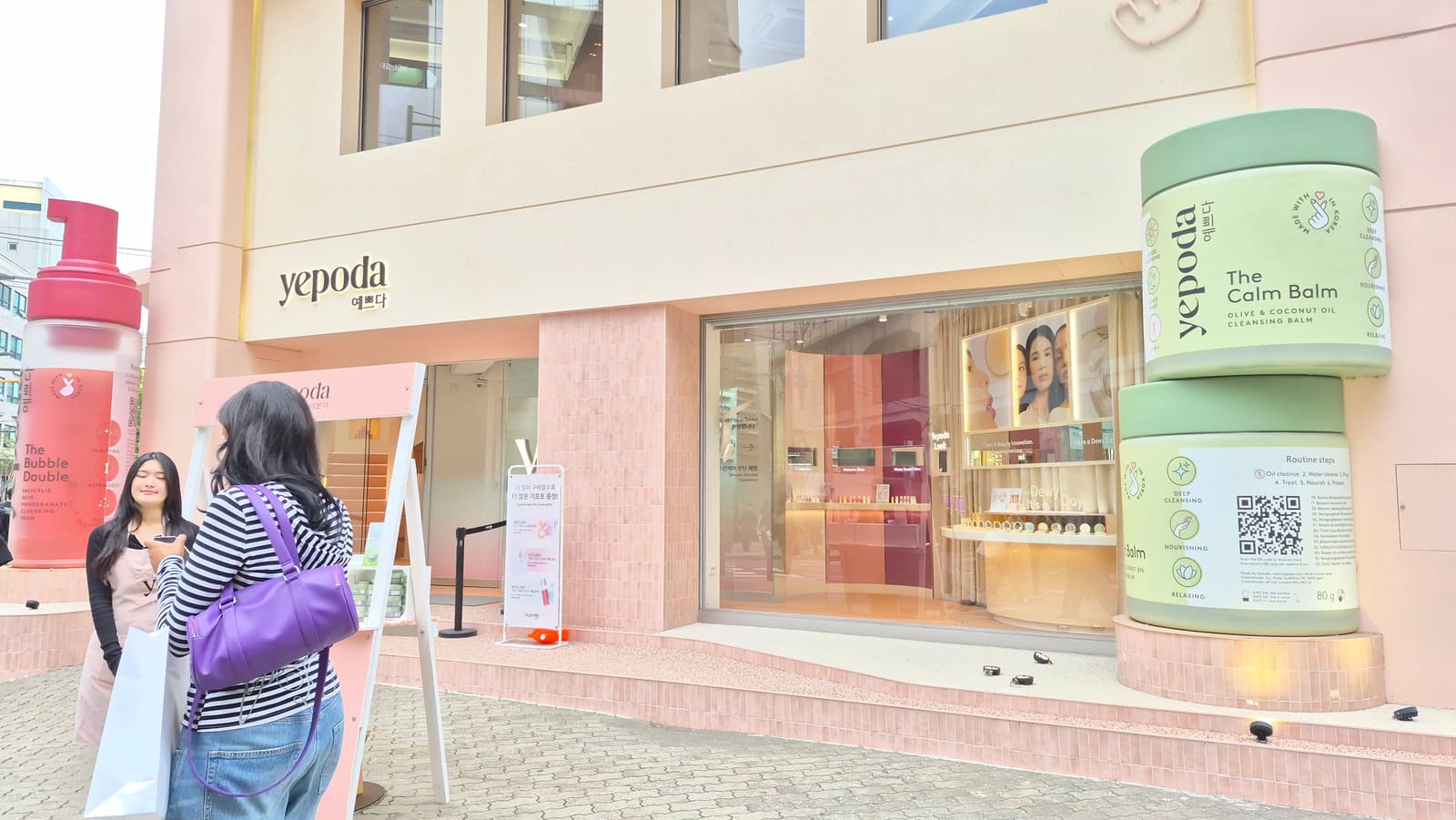
Over an intensive week encompassing strategic corporate visits, clinical compliance briefings, and the landmark In-Cosmetics Korea / InterCHARM Korea 2026 exhibition at COEX, we proved that sustainable impact and technical differentiation can create powerful commercial momentum.
Here is an insider look into the strategy, technical validation, and key takeaways from the field.

1. Technical Differentiation: Science Over Slogans
The global cosmetics market is saturated with West African shea butter, often utilized at sub-percentage levels as a mere "concept ingredient." To break through the noise, our strategy was not to compete on commodity pricing, but to elevate Ugandan Nilotica as a ultra-premium, high-functionality active base.
Why Nilotica Stands Out in the Lab
- Superior Fatty Acid Profile: Unlike West African varieties, Nilotica features a exceptionally high concentration of Oleic Acid—a monounsaturated fatty acid ($C_{18}H_{34}O_2$). This yields a silky, low-melting-point texture that melts instantly upon skin contact without leave a greasy residue.
- Oxidative Stability Mechanism: Cosmetic chemists naturally question how an oil rich in unsaturated fatty acids maintains a 24-month shelf life without synthetic preservatives. The key lies in its structural integrity—having only a single double bond in its monounsaturated structure—combined with high naturally occurring concentrations of $\alpha$-tocopherol (Vitamin E) and polyphenolic antioxidants (like catechin).
- Empirical Validation: During high-level technical meetings with leading domestic ODM/OEM R&D teams and global specialty chemical players, presenting raw certificate of analysis (COA), MSDS, and thermal stability data transformed early skepticism into active requests for accelerated stability testing samples.
By reframing the raw material through structural chemistry and rigorous data, we bypassed race-to-the-bottom pricing discussions, establishing Nilotica’s identity as a specialized bio-active solution.

2. Navigating the Field: True B2B Storytelling in Action
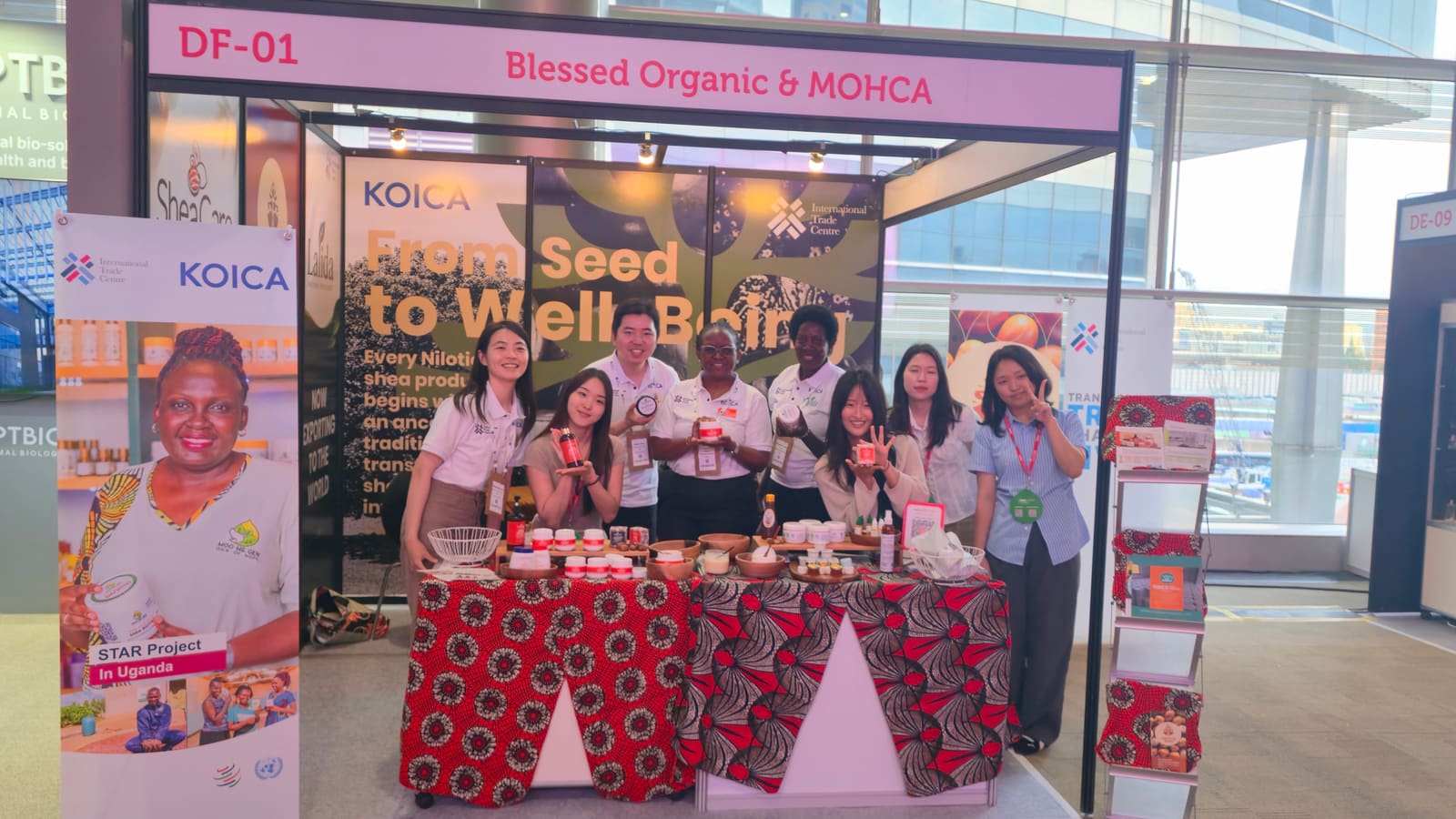
Trade shows present volatile conditions. Assigned to a peripheral booth location on the 3rd floor at COEX, foot traffic initially looked challenging. However, strategic engagement and authentic value propositions turned our location into one of the most active hubs at the event.
The Power of Respect-First Business Development
Observing our Ugandan SME partners (Margaret and Marion) engage with Korean brand owners offered a masterclass in relational storytelling. Rather than pushing product specs immediately, they opened conversations by listening—inquiring about the brand's product lines, respecting their local technical expertise, and asking how East African botanicals could complement their existing formulations.
This human-centric approach built immediate trust. Once a prospect felt respected, introducing a sample of cold-pressed Nilotica onto their skin became a seamless, highly effective demonstration.
Navigating Market Resistance
Not all interactions were seamless. We encountered traditional distributors attached to legacy supply chains who resisted evaluating new botanical sub-species. Rather than wasting critical energy arguing over outdated price benchmarks, we leveraged macro-market intelligence—pointing to ongoing supply chain bottlenecks in Western Africa that are driving tier-one global suppliers toward East African sourcing.
A key lesson for market entry strategy: Do not over-invest in converting traditionalists bound by legacy frameworks; focus resources on agile, forward-looking partners who recognize structural market shifts.

3. Macro Alignment: Building Two-Way, Sustainable Value Chains
Sustainable international trade cannot be a one-way extraction model. During discussions with public institutions—including the Korea-Africa Foundation—we emphasized that long-term commercial success requires two-way (reciprocal) cooperation.
Ugandan Cooperatives & Northern Female Farmers (High-Quality Sustainable Sourcing) ➔ Global ODM/Brand Infrastructure & Clinical Compliance (Fair Trade & Reciprocal Value Creation) ➔ Scalable B2B Market Entry & Long-Term Commercial Success
When Asian brands and institutions foster an environment that integrates African entrepreneurs and respects fair-trade sourcing, it builds an equitable ecosystem. This model directly elevates the livelihoods of thousands of women agricultural workers in Northern Uganda while securing high-purity, traceable supply chains for global beauty brands.

4. Key Strategic Takeaways for Global CPG & Beauty Brands
- Authenticity Beats Trend-Chasing: In an industry dominated by micro-needles, exosomes, and synthetic peptides, raw, ethically sourced, 100% natural ingredients backed by proven efficacy carry immense emotional and commercial resonance.
- Infrastructure over Intermediaries: For long-term sustainability, SMEs do not just need local sales agents—they need direct integration into established global refinery networks and ODM value chains equipped for international scale.
- Execution Demands Pre-Market Friction: From rapid clinical regulatory screenings (e.g., CDRI compliance) to pre-show B2B partner matchmaking (with key distributors and aesthetic channels), success on the exhibition floor is 90% determined by structural preparation before the doors even open.
The Road Ahead
Exhibitions end, but market linkage is an ongoing execution phase. With container-level sample requests from European buyers, aesthetic channel interest, and technical evaluations under way with major Korean ODMs, the foundational seeds for Ugandan Nilotica in Asia are planted.
At Parallel 37, we remain committed to engineering clear, high-impact routes to market that turn natural potential into lasting global business infrastructure.
Interested in exploring sustainable raw material sourcing, cross-border channel architecture, or global expansion strategy? Reach out to the Parallel 37 team today.