Trade

September 11, 2026 · Jimmy Cho
Europe Catches China: Why K-Beauty Is Entering Europe Through Primark, Not Sephora
K-beauty’s fastest-growing European footprint isn’t in high-end perfumeries—it’s in value retail. August export data shows Europe drawing level with Greater China, driven by an offline surge into stores like Primark and Superdrug. To avoid discounting core labels, Korean houses are creating bespoke diffusion brands. It’s a rapid expansion model that builds market share while risking brand equity.

September 7, 2026 · Jimmy Cho
Canada’s Counter-Tariffs Are Here: The $50% Duties Miss the Real K-Beauty Engine
Canada applies counter-tariffs to a list of American goods from 8 September 2026, and in cosmetics the list names exactly five tariff lines, all at 50%: perfume, lip make-up, eye make-up, manicure and pedicure preparations, and the residual hair line. Face and skin care preparations are not on it. Neither is shampoo. That single fact reverses the reading now circulating in the Korean trade press, because the categories the measure opens are not the categories Korean brands sell in Canada.

September 6, 2026 · Jimmy Cho
Understanding Halal Cosmetic Certification: What It Means for Your Beauty Routine in Indonesia
Indonesia's transition period for mandatory halal certification of cosmetics ends on 17 October 2026, and enforcement begins the next day. The requirement applies equally to Indonesian and foreign companies, so it is not a barrier aimed at imports. What is uneven is the administration: a foreign brand cannot file its own application, each distributor of the same product has to file separately, and the agency handling those applications has said publicly that it is running a backlog with no contingency plan.
September 4, 2026 · Jimmy Cho
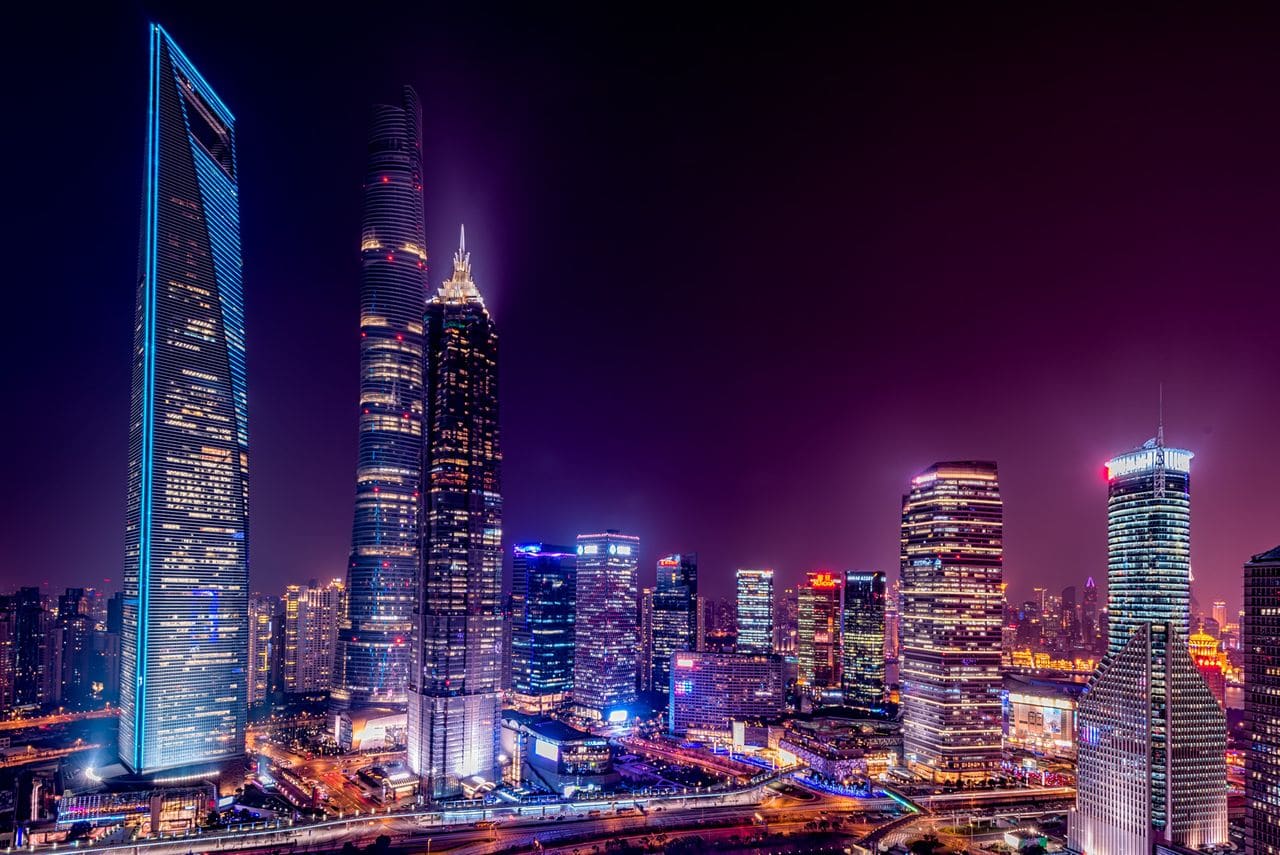
China GACC Order 284 Explained: What Changes for Cosmetics Exporters on 1 December 2026
On 1 December 2026, China changes how imported cosmetics are checked at the border. Most of the coverage has read it as good news, because a long list of requirements is being removed. The removals are real, but the same document tightens what companies must be able to prove about their own products — and for a cosmetics brand selling into China, that is a bigger change than it sounds.
September 2, 2026 · Jimmy Cho
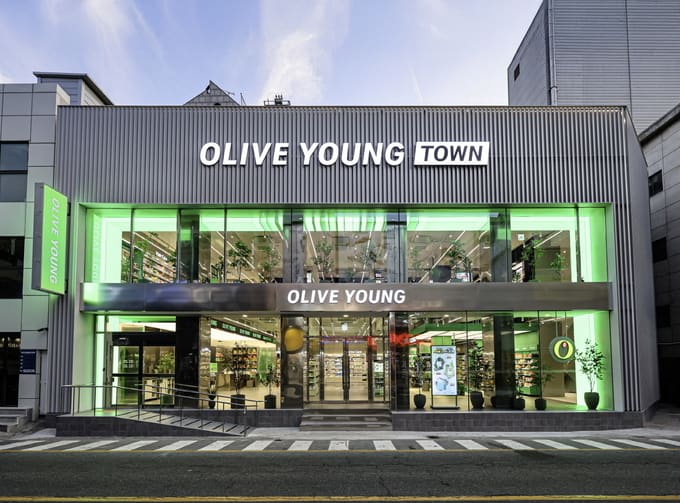
Olive Young Foreign Sales Pass 1 Trillion Won: Why Korean Brands Now Get Discovered at Home
Foreign shoppers made 11.01 million purchases in CJ Olive Young's Korean stores between January and August 2026, spending more than 1 trillion won. None of it counts as an export, and most brands on those shelves have no idea who those customers were. This is what the number actually means for anyone building a Korean beauty brand for overseas markets.

August 27, 2026 · Jimmy Cho
APS Innovation Buys Irae: Why K-Beauty's Real Bottleneck Is Line Changeover, Not Formulation
A KOSDAQ-listed maker of secondary-battery and display equipment has bought a cosmetics filling-and-packaging automation company for USD 17.7 million, in a deal brokered by a Korean state credit-guarantee fund. It is a small transaction, and it describes where the K-beauty industry's constraint actually sits far better than the export figures do. The thing that stops an indie brand scaling into a new market is almost never the formulation. It is the filling line.

August 25, 2026 · Jimmy Cho
Korea's Cosmetics Industry Promotion Act: Who the "Innovative Cosmetics Company" Certification Will Actually Reward
Korea's National Assembly passed the Act on the Fostering and Support of the Cosmetics Industry on 20 August 2026. The only genuinely new instrument in it — certification as an "innovative cosmetics company" — has its qualifying thresholds left entirely to presidential decree. That means the law that decides who benefits will be written over the next twelve months, not last week, and if it is written as an R&D-spending gate it will certify the manufacturers and miss the exporters.

August 23, 2026 · Jimmy Cho
K-Brand Certification Mark: Why Korea's Anti-Counterfeit System Concedes That Nobody Owns "K-Beauty"
The Korean Intellectual Property Office is registering a K-Brand certification mark in 70 export countries and holding the rights itself. That choice of legal instrument is the argument: a certification mark exists precisely because the thing being protected belongs to a whole class of producers rather than to any one of them. This piece sets out why "K-beauty" is a country-of-origin commons rather than brand equity, and what a Korean exporter actually owns once the adjective is removed.

August 21, 2026 · Jimmy Cho
CVC Capital's $212m Silicon2 Deal: Why Global PE Bought K-Beauty's Distribution Layer
On 18 August, CVC Capital Partners subscribed KRW 300bn of new Silicon2 shares — about USD 212m — at a premium, taking 9.23% of a company that owns no beauty brand at all. Six months earlier, Goodai Global had bought the distributor Hansung USA to take its North American supply chain in-house. This piece reads the two deals as the same structural problem solved from opposite ends, and sets out what the aggregator model actually leaves a Korean brand holding.

August 19, 2026 · Jimmy Cho
Nilotica Shea and the Korean Ingredient Hub: Why East African Shea Has a Perception Problem, Not a Supply Problem
East African nilotica shea is not held back by capacity or certification. It is held back by the fact that "shea butter" is already a settled category for most formulators and sourcing managers, and what they settled on is the affordable West African version. A Korean refining hub now forming would solve that — while moving the two most valuable steps in the chain from Uganda to Korea.

August 18, 2026 · Jimmy Cho
Unveiling Insights for Online K-Beauty Success: Key K-Beauty Business Trends
The fluorescent lights of an OEM manufacturing plant in Incheon do not sleep. While marketing executives in Manhattan debate the aesthetic appeal of snail mucin, stainless steel reactors in South Korea are churning out custom formulations in forty-eight-hour cycles. The global fascination with Korean beauty is often framed as a triumph of viral aesthetics—a soft-power wave of pastel packaging, glass-skin tutorials, and influencer endorsements. Yet, beneath this polished exterior lies a brutally efficient industrial engine. The real story of K-Beauty is not about gentle botanical extracts. It is about cold, ruthless speed, supply chain supremacy, and an algorithmic response to consumer impulse.
August 17, 2026 · Jimmy Cho
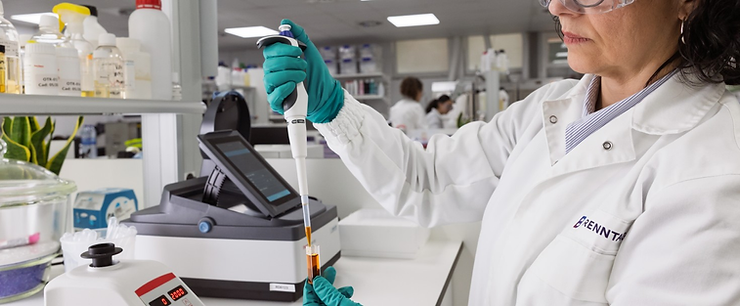
Brenntag's Woojin Trading Deal: Why Global Capital Is Buying the K-Beauty Supply Chain, Not K-Beauty Brands
On 3 August 2026, Germany's Brenntag agreed to acquire Woojin Trading, a Korean beauty ingredients distributor, at an enterprise value KED Global reported at about $35 million. It is the latest in a run of foreign acquisitions targeting the K-beauty supply chain rather than K-beauty brands. The track record of returns over the past three years suggests the buyers have this the right way round: Korean brands bought by global strategics have seen earnings fall, while the packaging and ingredients companies that supply every brand in the category have delivered some of the strongest private equity exits in Korea.

August 16, 2026 · Jimmy Cho
ANVISA Registration Is the Real K-Beauty Bottleneck in Brazil, Not Demand
Korean cosmetics exports to Brazil rose 86.4% in the first half of 2026 to $43.36 million, and President Lee Jae Myung named K-beauty one of three pillars of the Korea–Brazil partnership. But demand was never the constraint. Every cosmetic sold in Brazil must be registered with ANVISA first, and, by the industry's own account, a sunscreen dossier takes six to twelve months — which is the number that actually determines whether Korean brands reach Brazilian shelves.
August 13, 2026 · Jimmy Cho
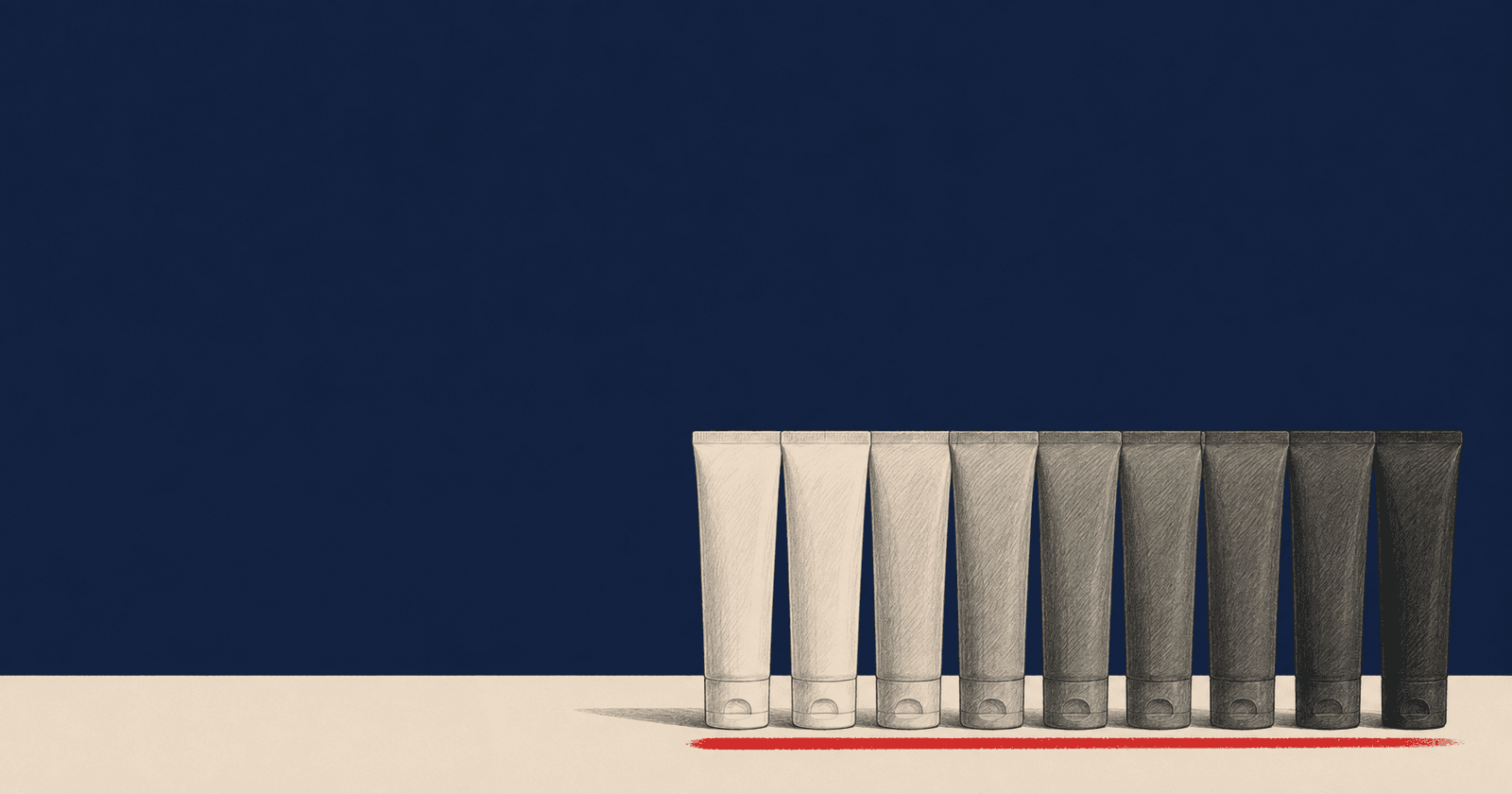
Missha's 816% US TikTok Shop Jump: Why the Cardi B Video Is the Third Thing That Happened
Able C&C reported on 9 August that Missha's US TikTok Shop sales rose 816% in January through July year on year, and attributed the surge to a Cardi B video. But the same company disclosed on 6 July that first-quarter US TikTok Shop sales were already up 3,199% — before that video went up. The sequence matters, because it moves the explanation from celebrity reach to two years of distribution and product decisions, the most important of which was shipping the BB cream in ten shades.

July 27, 2026 · Jimmy Cho
Bridging Strategy & Execution: Our Latest Insights in THE K-BEAUTY SCIENCE
Discover how Parallel37 bridges the gap between global sourcing strategy and execution in the Korean beauty market, as featured in our latest article for THE K-BEAUTY SCIENCE.

July 26, 2026 · Jimmy Cho
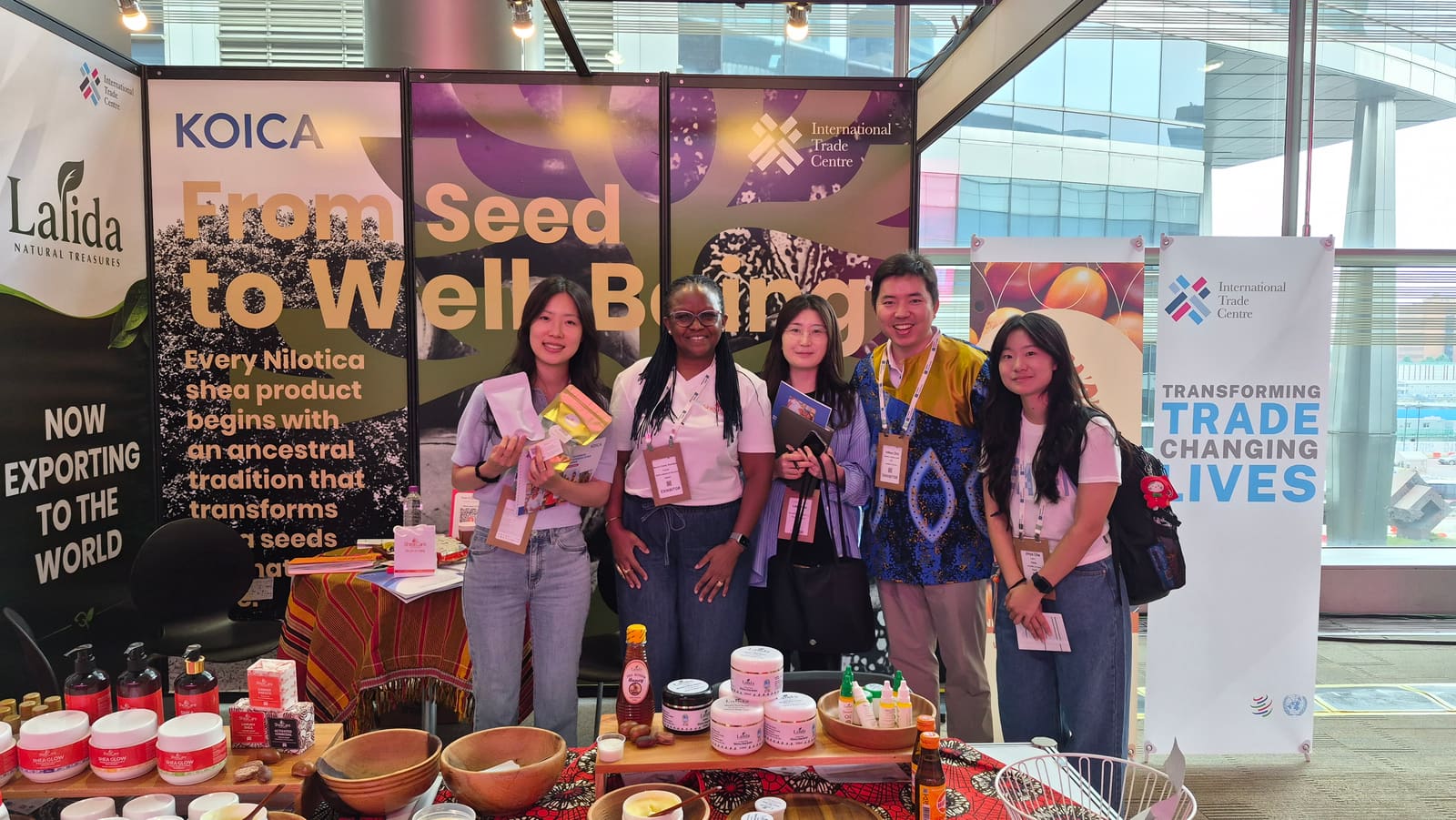
From Nile Basin to Seoul: Connecting Ugandan Nilotica Shea to K-Beauty Innovation
Discover how the STAR Project bridges Ugandan Nilotica Shea producers and Korean K-Beauty innovators to build sustainable, high-value cosmetic supply chains.
July 18, 2026 · Jimmy Cho
[Field Report] Linking East African Botanicals to the Global Beauty Supply Chain: ITC Cosmetics Market Linkage Retrospective
An insider retrospective on how we leveraged technical differentiation, B2B storytelling, and macro-market alignment to integrate Ugandan Nilotica Shea Butter into the global cosmetics supply chain.

July 15, 2026 · Jimmy Cho
Why We Run Brand Strategy, Trade, and Product Development as One Team
Parallel37 runs consulting, trade, and beauty under one roof — so brands don't lose months in the gap between strategy and shelf. Here's why, with a real example.