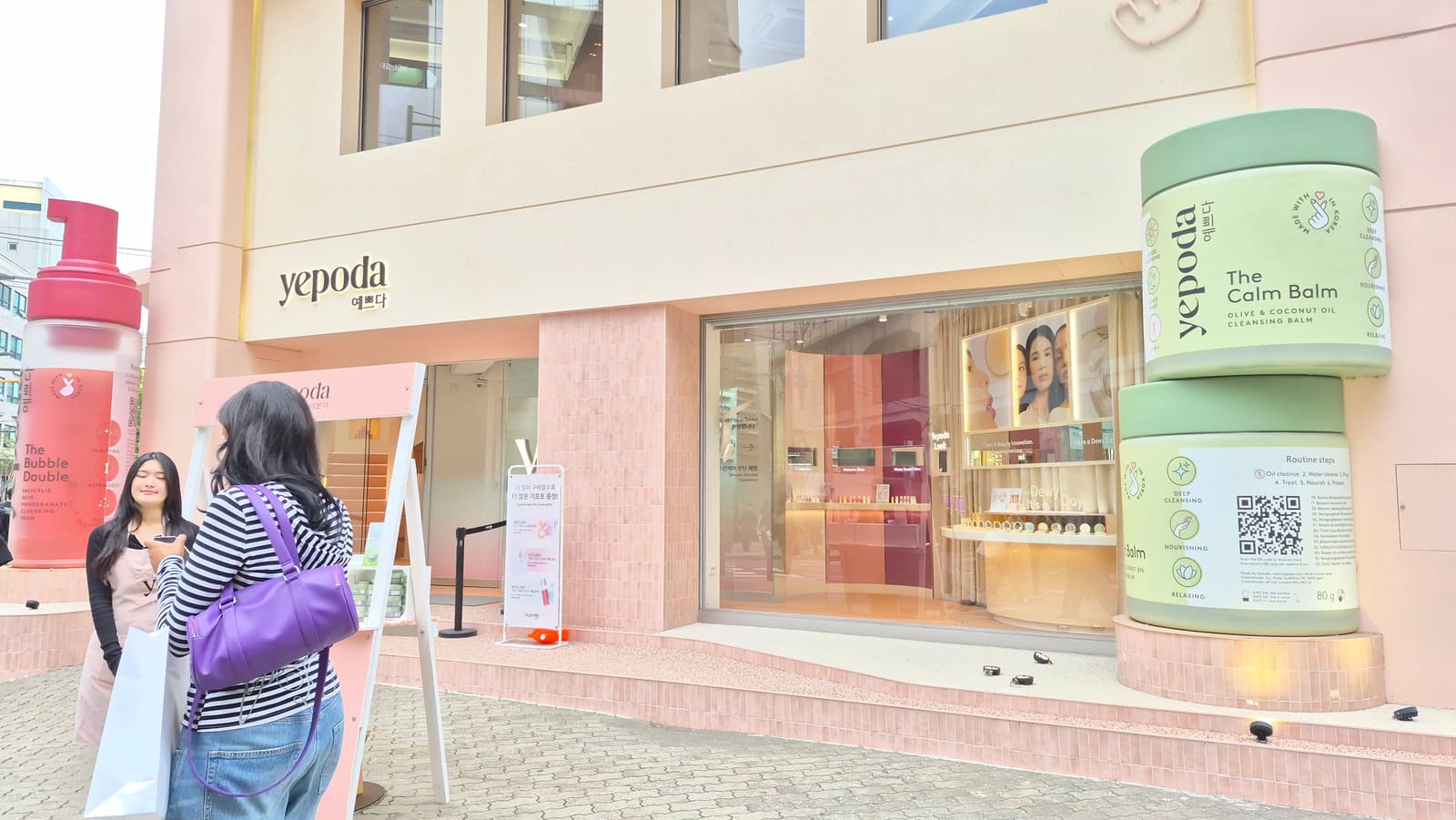
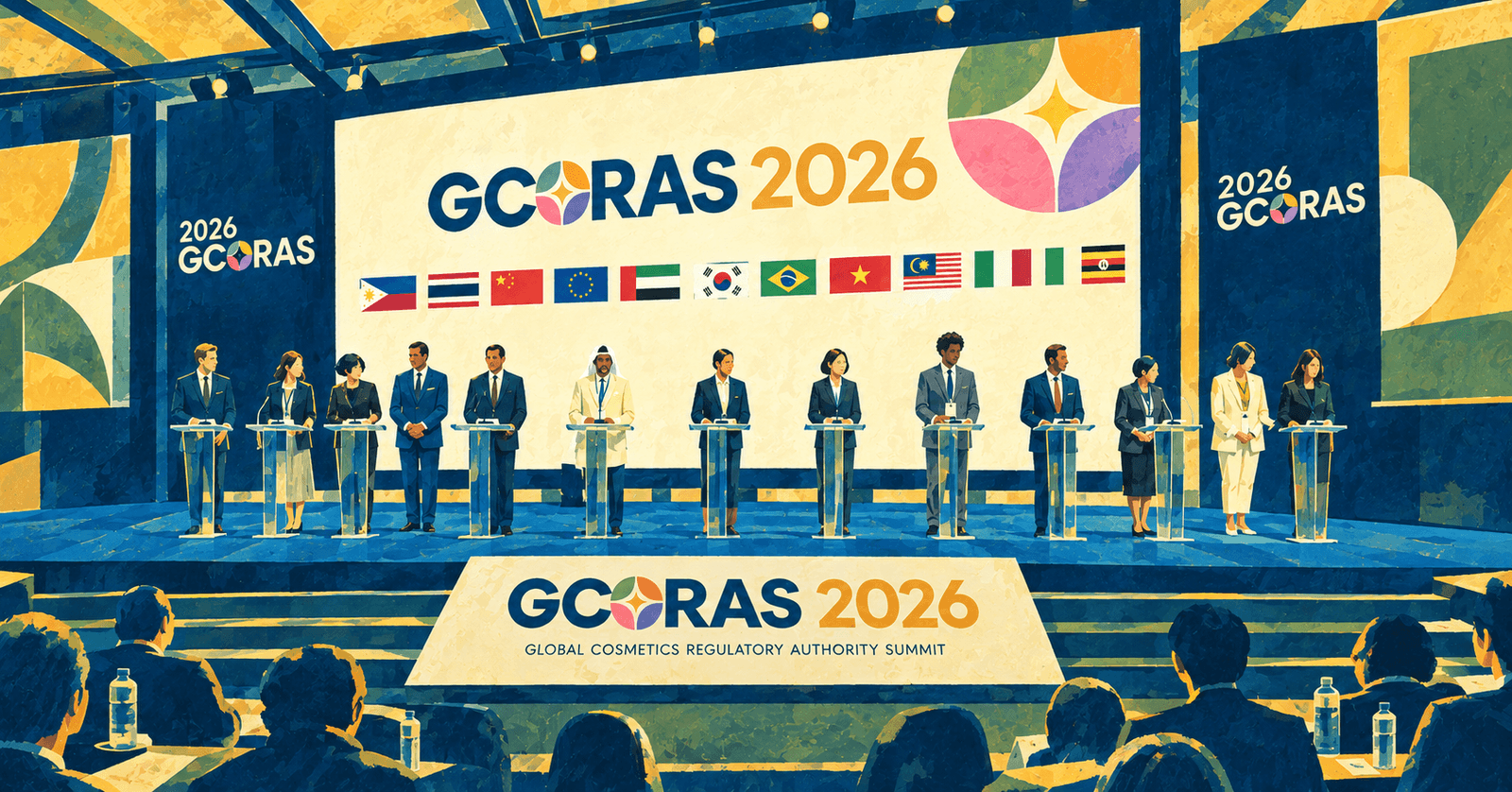
When you think of global skincare innovation, Seoul immediately comes to mind. When you think of pure, wild-harvested botanical richness, the Nile Basin in Northern Uganda stands out.
As an ITC-contracted Market Linkage Expert for the Strengthening Agribusiness Resilience and Competitiveness (STAR) Project—funded by KOICA and implemented by the International Trade Centre—my role was to design the commercial bridge between these two worlds.
At In-Cosmetics Korea, that vision took center stage as we introduced Ugandan Nilotica Shea directly to formulation experts, cosmetic chemists, and procurement leads in one of the world's most demanding beauty markets.
Why Nilotica Shea? The Technical & Market Fit
In market linkage work, success depends on translating raw botanical potential into terms that resonate with local formulation needs.
While West African shea butter is widely known, Nilotica Shea (Vitellaria paradoxa subsp. nilotica), native to Northern Uganda, offers distinct functional advantages for modern K-Beauty formulations:
- Silky, Low-Melting Texture: Naturally higher oleic acid content gives it a noticeably softer, creamier consistency that melts smoothly upon skin contact without heavy residue.
- Skin Barrier & Barrier Creams: Exceptional moisturizing properties make it ideally suited for clean-beauty, rich barrier repair, and sensitive-skin product lines.
- Traceable & Wild-Harvested: Sourced from wild-growing trees, offering high transparency for eco-conscious brands.

My Role: Structuring B2B Matchmaking for Real Traction
Rather than simply hosting a promotional booth, our focus was on generating high-intent commercial dialogue.
As Market Linkage Expert, I structured targeted B2B matchmaking sessions connecting Ugandan social enterprises—such as Blessed Organic Release (founded by Margaret Laloyo, expanding from 25 women post-conflict to a network of over 6,000 collectors) and MOHCA Beauty—with leading Korean manufacturers and ODMs like BNB Korea.
Strategic Matchmaking Focus:
- Shifting from Commodity to Value: Positioning Nilotica Shea not as a generic bulk ingredient, but as a premium, functional active for clean and vegan beauty lines.
- Technical Dialogues: Facilitating direct technical exchanges between Ugandan suppliers and Korean formulation teams to align on quality standards, cold-pressing specs, and export logistics.
- Long-Term Commercial Pipelines: Focusing on long-term R&D partnerships and sustained supply integration rather than transactional spot sales.
Building the Future: The Nilotica Shea Alliance Framework
Securing initial meetings is only the first step; long-term trade requires an institutional framework. To ensure sustainable market access, I focused on integrating our efforts with the Nilotica Shea Alliance framework:
- Clinical & Scientific Validation: Partnering across stakeholders to back up skincare claims (hydration, anti-inflammation, barrier repair) with lab testing from accredited Korean research institutes.
- Standardization & Supply Chain Consistency: Establishing clear quality benchmarks across Ugandan cooperatives to meet the strict regulatory and aesthetic standards of K-Beauty ODMs.
- Sustainable B2B Pipelines: Moving past one-off trade fair interactions to build continuous R&D and supply partnerships between East African producers and East Asian manufacturers.

Personal Reflection
Working on the STAR Project reinforces a core principle: sustainable trade happens when technical quality, cultural alignment, and social impact meet. By establishing direct commercial links between Ugandan women-led enterprises and Korean beauty innovators, we aren't just selling an ingredient—we are building equitable, high-value global supply chains.
Learn more: https://www.intracen.org/news-and-events/news/from-nile-basin-to-k-beauty-ugandan-shea-at-in-cosmetics-korea