Ignoring Black Women’s Hair, and a Grandmother’s Secret Recipe
Spring 1991, Massachusetts. Richelieu Dennis held his diploma from Babson College, having completed his studies in finance, investment, and entrepreneurship. His mother, Mary, had flown all the way from Africa to share in her son’s shining moment.
Yet, the celebration was brief before reality struck: they had no home to return to. While the young man was away pursuing his degree, a brutal civil war broke out in his native Liberia, reducing his mother’s life savings and home to ashes overnight. In just a few days, the fresh graduate went from ambitious young scholar to a refugee standing at the edge of a cliff.
When Dennis first headed to Babson, his dream was modest and clear: return home to cultivate a citrus farm. He had envisioned spending his days among sun-kissed oranges, grapefruits, and pineapples. He once recalled that stepping onto that unfamiliar campus 4,500 miles from where he was born felt strangely, almost eerily, like home. Ironically, the moment he graduated, his real home vanished forever.
Loss was not entirely a stranger to him. Born in Monrovia in 1969, he lost his father at just eight years old. Left alone, his mother took young Richelieu and his sister by the hand and headed to her homeland, Sierra Leone. Raised wandering across borders between two countries, loss was a shadow long cast over his youth.
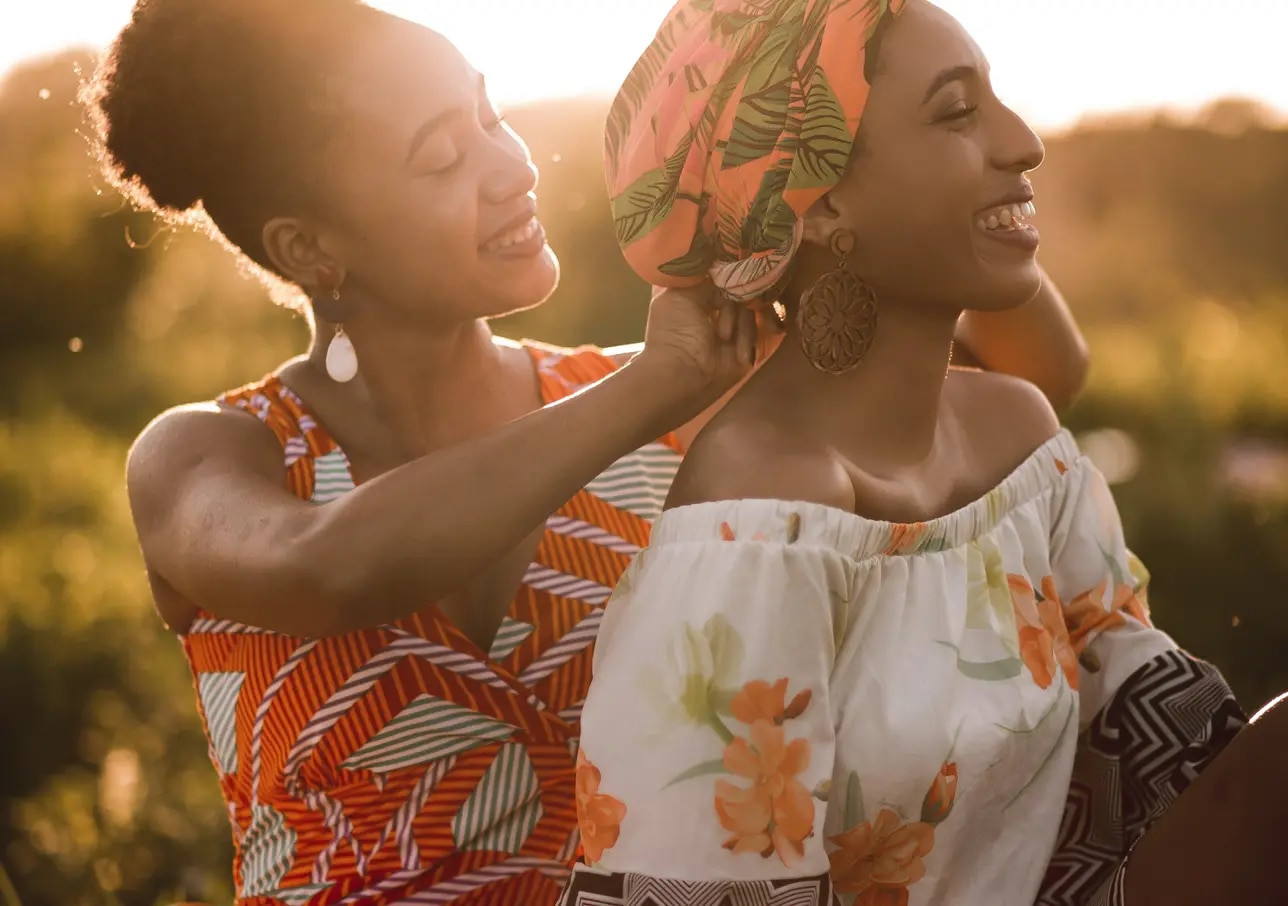
Amid the shattered pieces of his life, he was left with just one inheritance: the secret recipe of his grandmother, Sofi Tucker. Widowed at nineteen, Sofi had borne the heavy weight of supporting her family. To keep her children from starving, she crafted soaps and ointments from shea butter to sell at the local market. In time, villagers came from all around, calling her a "healer." She passed that wisdom and craftsmanship down to her grandson. Dennis was already selling shea butter out of his college dorm room to help pay his tuition. What began as a humble hustle suddenly became his everything—his sole lifeline for survival.
The American beauty aisles he encountered, however, were a different kind of wasteland. In the 1990s, the mainstream beauty market rigidly enforced a single, Western-centric standard of beauty. Black women were forced to hide their natural curls like a crime. It was an era where they endured scalp-burning chemical "relaxers" and hair loss just to flatten their natural texture to fit in.
The retail shelves reflected this cruel hierarchy with blunt clarity. The hair care aisle in big-box stores was simply labeled "Hair Care," filled with products designed with straight, Caucasian hair as the default. Black hair, sidelined from that standard, was shoved into the furthest corner under the alienating label "Ethnic." White hair was the "norm," Black hair was the "exception"—a quiet discrimination embedded directly into store layouts and product categories. Those tucked-away shelves were notoriously cramped and poorly stocked, sometimes even locked behind glass cages under the pretext of theft prevention.
To preserve their own beauty, Black women had to surrender not only physical comfort but their very identity.
17 Years: The Long Walk from Street Corners to Retail Shelves
In 1991, Dennis set sail with Sundial Brands alongside his mother, Mary, and his college roommate and closest confidant, Nyema Tubman. To clarify the name: Sundial was the holding company built to house these dreams, and SheaMoisture became the flagship brand born under its wing. (The African Black Soap line that first captivated customers on the streets later blossomed into Nubian Heritage, while the branch that directly inherited his grandmother's shea butter recipe became SheaMoisture—eventually evolving into the company's ultimate icon.) In short, what launched in 1991 was the parent nest; it would take another 17 years of quiet grit before the name SheaMoisture proudly claimed shelf space across America.
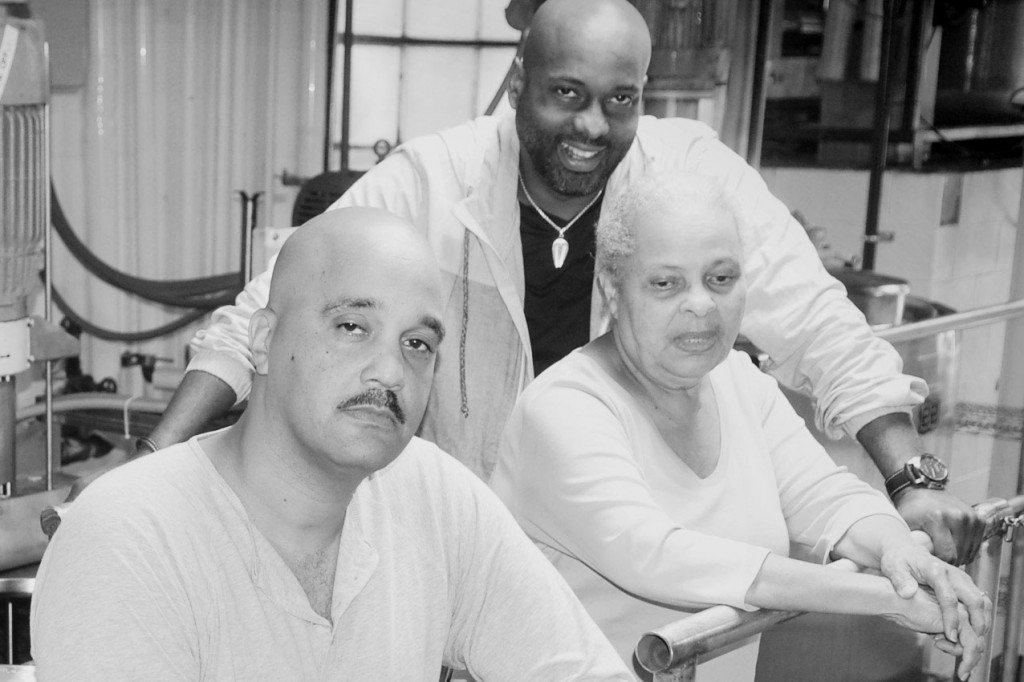
The trio left Boston and set up shop in Queens, New York. On the freezing sidewalks of Harlem and Bed-Stuy, they unfolded folding tables to display raw black soap and fragrant essential oils. As regulars grew and inventory piled up, they rented a beaten-up van, sweeping through every nook and cranny of New York to haul goods. The streets became their first storefront—and the rugged soil where their fierce instinct took root.
SheaMoisture’s product development was anchored in an uncompromising rule: honest ingredients. While giant beauty conglomerates cut costs by stuffing bottles with silicones, parabens, mineral oils, and artificial dyes, SheaMoisture rejected every shortcut. Tightly coiled 4C hair features a spiral structure that prevents natural scalp oils from reaching the ends. The moment harsh sulfates hit those strands, they strip away moisture, leaving hair brittle as dry leaves.
Their core ingredient, shea butter, was ethically sourced through West African women’s cooperatives. Raw shea butter harvested from West African soil didn't just sit on top of the hair as a greasy film; it penetrated deep into the protein layers to construct a formidable moisture barrier. Blended in precise proportions with Jamaican Black Castor Oil, coconut oil, Manuka honey, and hibiscus extract, it revived coarse, tangled curls into springy, defined texture—without relying on harsh chemicals.
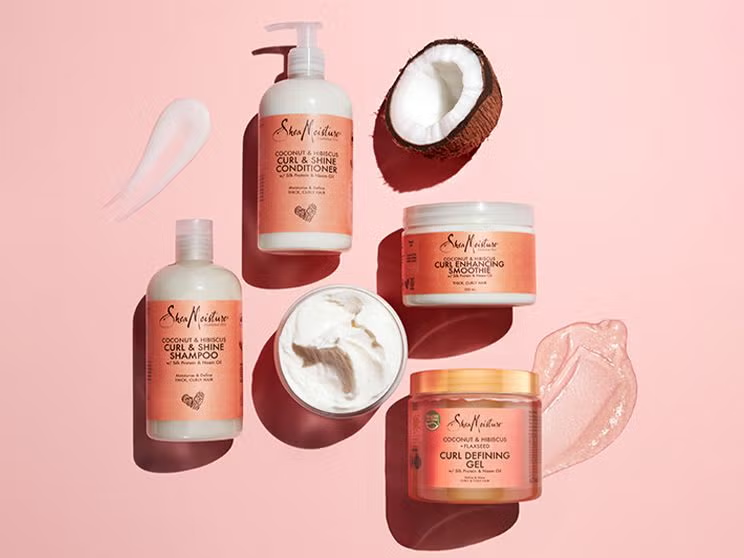
It took a long, patient stretch of time for that value to resonate with the world. Masterpiece formulas like the Coconut & Hibiscus Curl Enhancing Smoothie spread through word of mouth, aligning perfectly with the rising tide of the Natural Hair Movement—a cultural shift encouraging women to ditch chemical relaxers and embrace their natural texture. SheaMoisture grew beyond a product line into a badge of pride and a symbol for the Black community. For women with 4C hair—the driest and most delicate texture of all—these bottles were far more than cosmetics; they were a form of identity restoration. Yet, from those sidewalk tables to the shelves of Target in 2008, that journey spanned 17 long years.
How they endured was equally unconventional. For 24 years following the company’s inception, Dennis never took a single cent of outside capital. He often used a cooking metaphor to explain his refusal to rush expansion: cooking a meal for a family of four and catering a banquet for 150 guests might use the exact same recipe, but they are entirely different operations.
It wasn't until 2015 that he finally opened the door. When he accepted a minority investment from Bain Capital, the market valued the company at an astonishing $700 million. That same year, Sundial earned its B Corp certification—a stamp of approval for socially responsible businesses—and by 2017, annual revenue surged past $240 million.
The true engine behind this explosive growth wasn't just the formulas on the shelves, but the fierce bond forged with its consumers. Customers didn't just buy SheaMoisture; they embraced it as a piece of their lives and self-worth. It was this deep emotional investment that would later swell into a massive wave—one capable of saving the brand, or pushing it straight off a cliff.
The Feeling of Betrayal
On April 24, 2017, an event erupted that shook SheaMoisture’s rock-solid identity at its roots. The catalyst was a video ad campaign created in partnership with agency VaynerMedia, centered around the slogan: "Break free from hair hate."
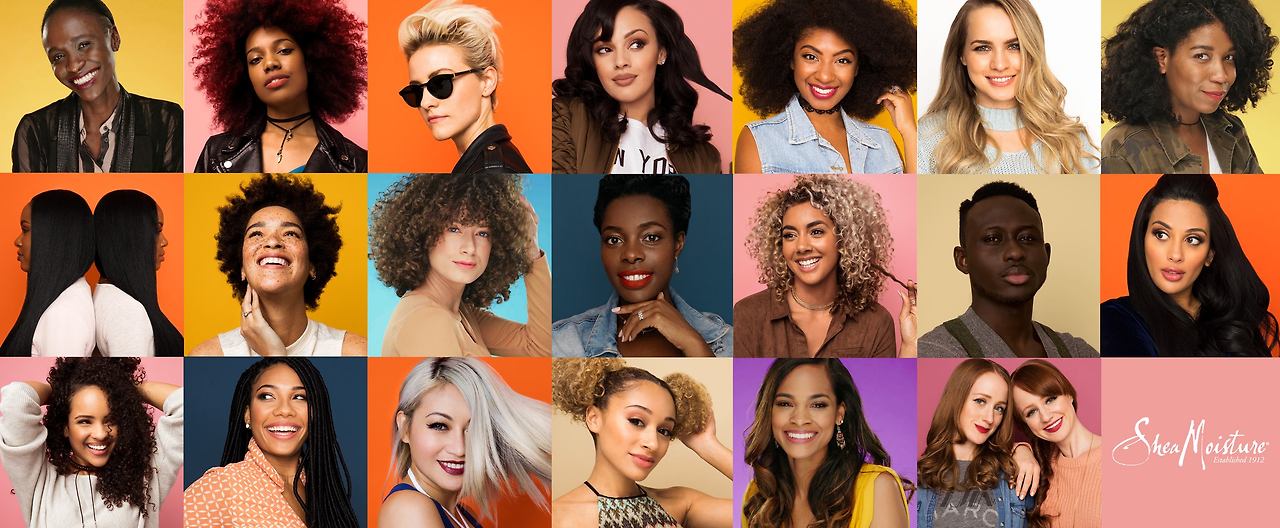
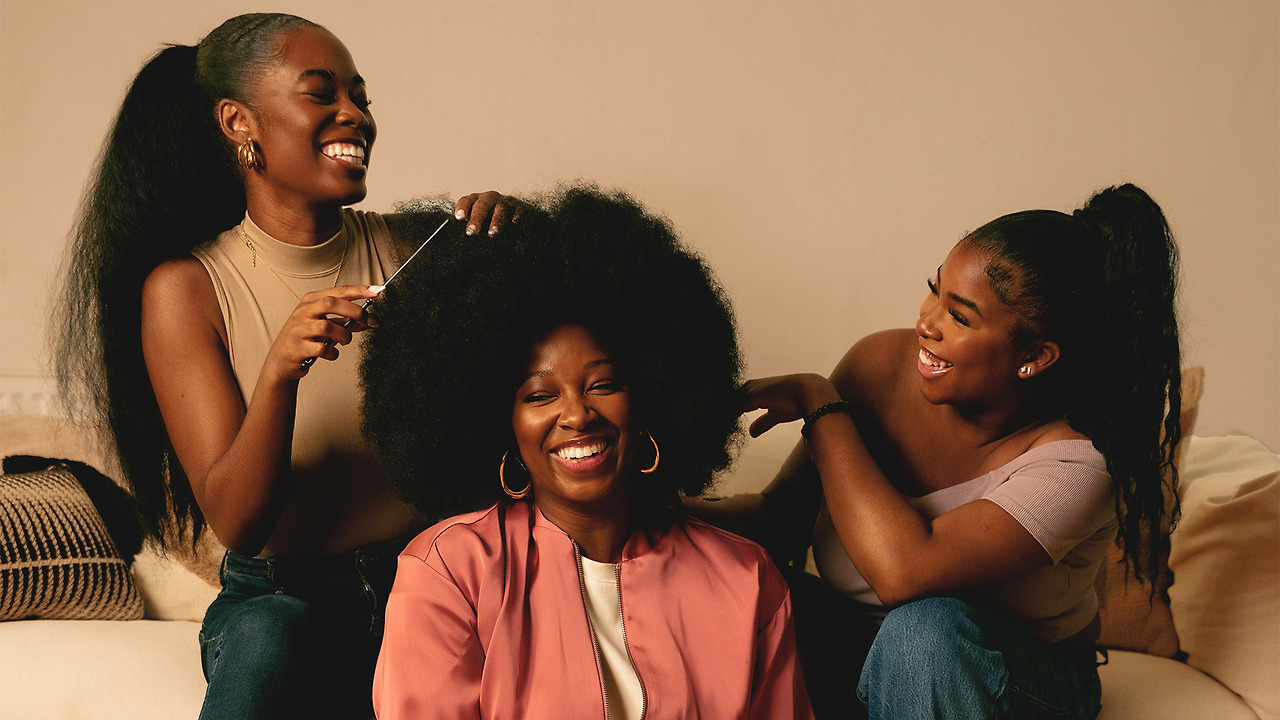
SheaMoisture released the ad with ambitious hopes of broadening its consumer base. However, nowhere in the video were the true architects of the brand's success—Black women with tight, 4C curls—to be found. Instead, the camera was filled with white women and women with loose waves talking about their mild hair struggles.
The backlash was instant and fierce. Social media exploded with ridicule and outrage, accusing the brand of "whitewashing"—erasing the very core loyalists who built them up just to cater to the mainstream. The timing couldn't have been worse. It came right on the heels of the brand barely putting out fires over rumors that formulas were being altered for white consumers after taking outside capital in 2015.

Dennis’s first move was to clarify. He explained that they had filmed over 40 women of diverse races and hair types, adding that their misstep was failing to properly communicate the campaign's genuine intent: to address the universal hair anxiety women face. He insisted the intent was never to exclude, and that he deeply empathized with the heartbreak felt by the community.
To a hurt fanbase, however, explanations sounded like hollow excuses. By that evening, the brand pulled the video and issued a rare, unqualified apology. "We really messed this one up," read the opening line of their statement—a remarkably raw and vulnerable admission for an official corporate channel. An earnest plea followed, assuring customers that sidelining the community was never their intent.
This struck Dennis with particular sharpness. He was a man who had arrived in a foreign city having lost his homeland, only to be lifted up by the warm embrace of the Black community. Now, that very community was marking him as a sellout. It was no longer just a business crisis; it felt like a deep personal wound that threatened his foundation.
The storm didn't ease up by autumn. In November of that same year came the shock announcement: Sundial Brands was being acquired by global giant Unilever. At the time, Sundial’s annual sales sat around $240 million, with the acquisition price estimated at a staggering $1.6 billion (approx. 2 trillion KRW).

Being a "Black-owned, independent business" was SheaMoisture’s soul and foundation. Watching the brand transition into the hands of a massive multinational corporation dealt another painful blow to its fanbase. Rumors spread that it was "no longer a brand for us" and that the original formula would be diluted in corporate waters. In an instant, 26 years of sweat and cultural authenticity were reframed as a story of selling out to big capital. The brand was thrown into a violent tempest of uncertainty.
The Conditions of a Sale: Returning to the Roots
Richelieu Dennis and the leadership at SheaMoisture refused to let the acquisition end as a simple cash-out. They set out to structure the deal as a massive engine for reinvesting capital right back into the community.
During negotiations with Unilever, Sundial locked hard social commitments directly into the contract terms. Upon closing in November 2017, they established the New Voices Fund with an initial $50 million commitment to invest in Black and female entrepreneurs of color. By July 2018, the fund officially launched, expanded to $100 million. They had built a sustainable framework: leverage the scale of a multinational corporate system while guaranteeing that the capital generated flowed back into the Black business ecosystem.
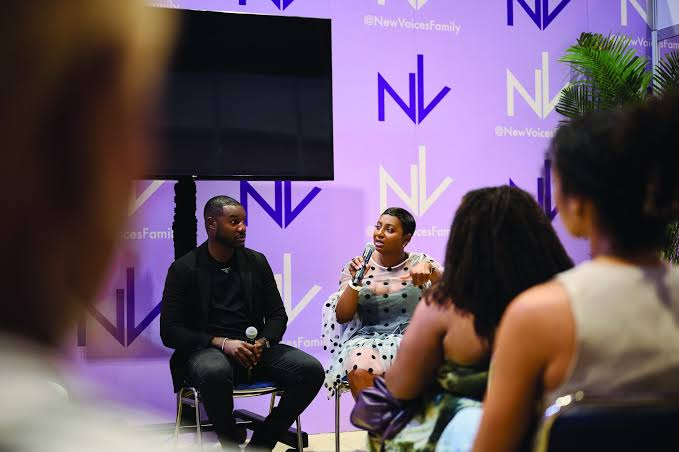
At the same time, SheaMoisture institutionalized a pledge to reinvest at least 1% of net sales directly back into Black communities and female entrepreneurs of color. The more SheaMoisture products sold through global retail networks, the larger the pool of funding flowing back to the community.
Transparency in sourcing was also heavily reinforced. Moving beyond Sierra Leone—the symbolic origin of their origin story—SheaMoisture established direct Fair Trade partnerships with over a dozen women's cooperatives in northern Ghana. This ensured fair wages and economic self-reliance for local women hand-processing the raw shea butter.
In December 2019, as the brand's governance fully settled under Unilever’s operational structure, Dennis stepped down from his executive role. His personal narrative had evolved beyond one man's story into a purpose-driven mission: to safeguard the hair, skin, and economic independence of Black women. Instead of letting corporate gears erase their roots, SheaMoisture used that very power to expand their community's reach.
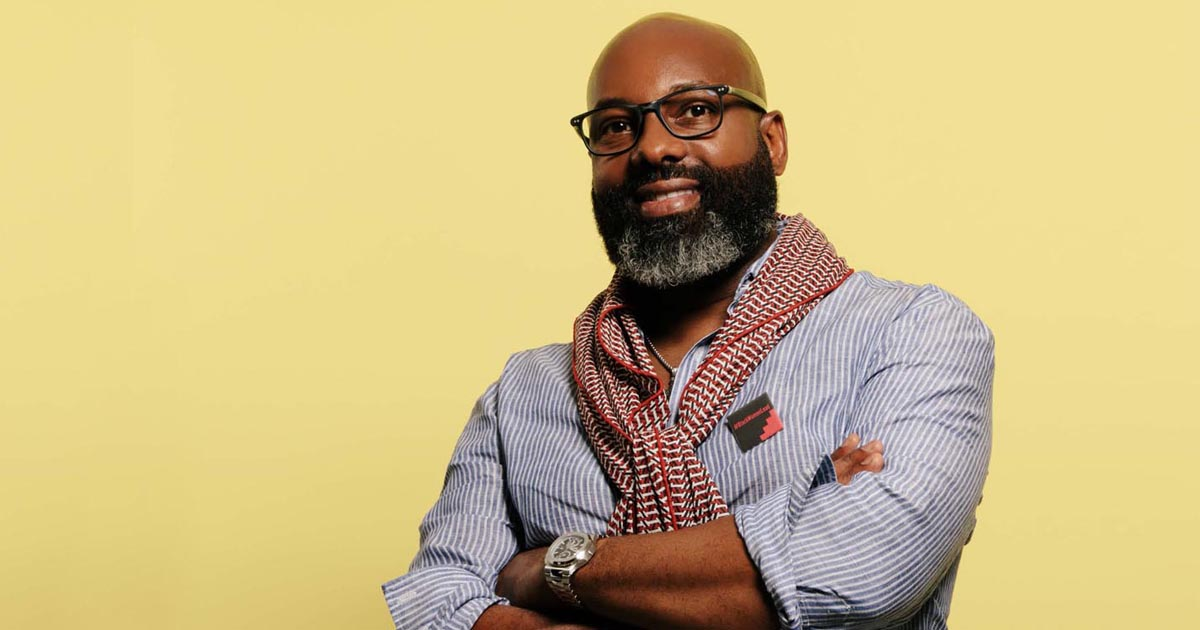
A Legacy Beyond the Bottle
SheaMoisture has no intention of remaining just another beauty brand selling hair products. Instead, it aims to model how commercial success can feed back into societal impact.
To date, over $10 million in educational grants and relief funds have been poured into supporting Black small business owners and female founders. This financial backing has funded over 50,000 hours of business education and provided vital capital to help more than 250 Black-owned businesses stand on their own feet. The engine works: market performance directly translates into community assets.
In northern Ghana, the harvesting operations continue to provide stable financial independence for tens of thousands of West African women. What began with Sofi Tucker gathering shea nuts in a small Sierra Leonean market has expanded through a global supply chain into a sturdy economic anchor for women across the region.
Though ownership transferred to a global corporate giant, the legacy SheaMoisture carved into the market remains unmoved: an unwavering affirmation of natural beauty that was once sidelined, built on a model where every purchase serves as a social investment.
SheaMoisture’s journey is more than a standard success story. A brand's true power doesn't live in fancy packaging or clever ingredient lists. It lies in spotting an underserved need, moving in lockstep with its community, and driving clear, unapologetic purpose—the true heritage that keeps a brand alive.