On July 28, 2026, a South Korea–Brazil Business Roundtable was held in São Paulo. Alongside executives from traditional heavy-industry and IT conglomerates like Hyundai, POSCO, Samsung, and LG sat four cosmetic leaders: Sang-mok Lee of Amorepacific Holdings, Byung-hoon Kim of APR, Ju-hyuk Chun of Goinspire/Goodai Global, and Sung-woon Kim of SiliconTwo. Having top beauty CEOs join a presidential state-visit economic delegation on this scale marks a historic milestone for the industry.

Overtaking France in Key Global Markets
In 2025, South Korea’s cosmetics exports reached $11.42 billion—a more than tenfold leap from $1.07 billion in 2012. This surged Korea past the United States into the number-two global spot, trailing only France. First-half figures for 2026 reached $7.0 billion (up 27.3% year-over-year), putting the full-year trajectory on track for $13 billion to $14.5 billion.
Trade stats from major consumer nations tell an even stronger story:
- United States: Korea exported $1.80 billion in 2025, leading as the top importer for the second straight year.
- Japan: Korean cosmetics recorded 141.77 billion yen, topping France’s 104.86 billion yen for four consecutive years.
This surge is backed by an incredible ecosystem. By late 2025, Korea housed 28,412 registered cosmetic distributors and 4,158 manufacturers—a high-density infrastructure built for rapid scale.
Emerging Players Outpacing Traditional Giants
APR’s market capitalization surged to 14.4 trillion KRW, ranking 56th on the KOSPI. On that same date, Amorepacific sat around 7 trillion KRW and LG Household & Health Care near 4 trillion KRW. Combined, these two legacy titans didn't match APR's valuation.
In Q2 2026 alone, APR recorded 767.5 billion KRW in revenue and 190.6 billion KRW in operating profit, with overseas sales accounting for 92%. Meanwhile, official government stats show SME cosmetic exports grew 21.5% in early 2026, whereas large corporate exports dropped 18.8%. Indie brands and agile newcomers are capturing the bulk of this market growth.
However, low entry barriers mean steep competition: 8,831 cosmetic distributors closed down in 2024—a tenfold increase from 2020. Out of tens of thousands of market brands, only a fraction achieve true top-of-mind consumer recall.
The Foot Traffic Shift: From Duty-Free to Experiential Hubs
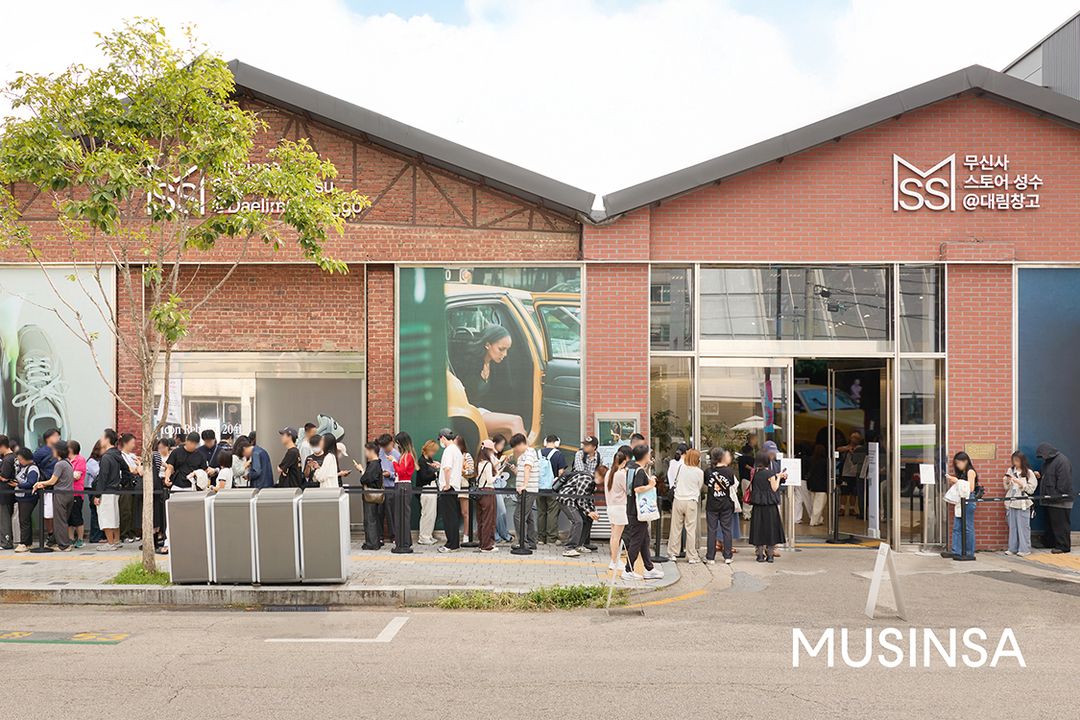
Foreign visitors have shifted their shopping footprint away from traditional department stores and duty-free counters toward dynamic multi-brand networks like Olive Young, Daiso, and Musinsa.
- Seongsu-dong Foot Traffic: Jumped from 63,683 foreign visitors in 2020 to nearly 2.97 million in 2024.
- Global Footprint: When Olive Young opened its Pasadena, California location in May 2026, overnight lines stretched over 400 meters.
While retail expansion is thriving, real global endurance relies on product and brand strength rather than distribution channels alone.
Speed Over Ingredients: The ODM Advantage
K-Beauty’s core engine isn't exotic botanicals; it’s the original design manufacturing (ODM) model. Unlike standard OEM contract assembly, ODM partners handle research, formula development, packaging procurement, and production, leaving brand owners free to focus purely on marketing and sales.
This network slashes time-to-market. Modern indie brands launch products within 3 to 6 months. By comparison, global beauty conglomerates frequently spend 1.5 to 2 years launching a single SKU. When a US creator's review of TirTir went viral, the brand expanded its cushion foundation shade range from 13 to 55 shades almost overnight.
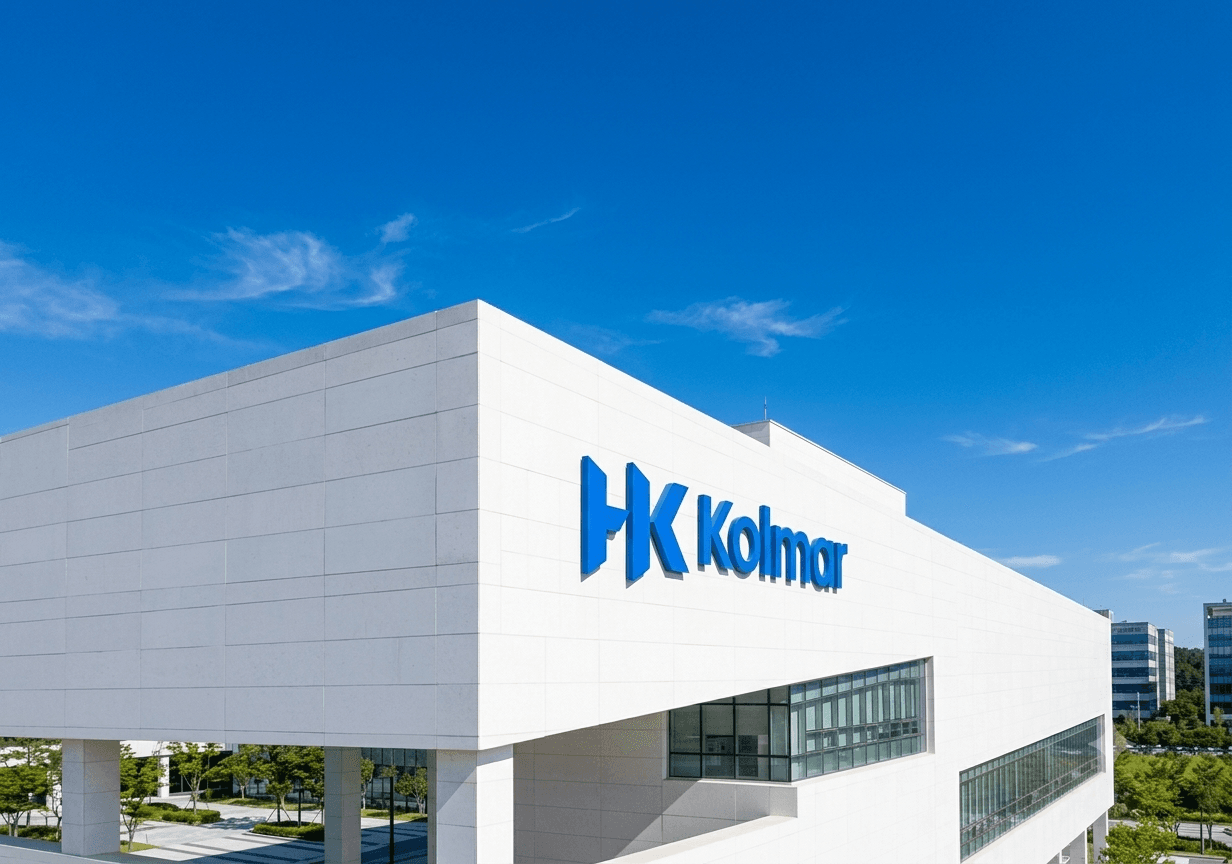
Major ODMs like Kolmar Korea maintain global shade databases and can deliver physical prototypes in half a day. Agility and execution speed remain the true core of this market dominance.

The Global Paradox and the Future Window
Acquired K-Beauty brands—such as Dr. Jart (Estée Lauder) or AHC (Unilever)—have often struggled under heavy corporate bureaucracy. Yet, global conglomerates like L'Oréal, LVMH, Estée Lauder, Shiseido, and P&G now contract directly with Korean ODMs for turnkey product lines, bypassing their internal development cycles to buy back speed.
This infrastructure is an open ecosystem available to anyone with capital. As multinational giants leverage Korean ODM speed directly, local brands face a critical question: what remains their ultimate differentiator?
The current three-to-five-year golden window isn't the lifespan of K-Beauty itself, but rather the remaining timeframe during which Korean brands hold an exclusive operational lead over global competitors leveraging the exact same manufacturing power.