Manufacturing

September 10, 2026 · Jimmy Cho
Korea's New Regulatory Bloc and the 2028 Mandate Behind It
Korea convened cosmetics regulators from twelve countries in Seoul last week, founded a standing council, took its inaugural chair, secured its permanent secretariat, and booked the second meeting for Korea in 2027. Read in isolation, it is a routine multilateral launch. Read alongside the safety-assessment regime Korea imposes on its own industry from 2028, its purpose becomes considerably more legible — and the implications reach further into the ODM relationship than the announcement suggests.

September 9, 2026 · Jimmy Cho
Kérastase: A Miracle of Innovation Born from Relentless Inquiry
François Dalle transformed Kérastase into a luxury haircare empire. Entering L’Oréal in 1948 with zero industry knowledge, Dalle prioritized field observation (faire la route), realizing salon treatments only disguised damage. In 1964, he launched Kérastase around diagnostic care—a philosophy that now spans targeted product lines, diagnostic tech, and sustainable manufacturing.

August 25, 2026 · Jimmy Cho
Korea's Cosmetics Industry Promotion Act: Who the "Innovative Cosmetics Company" Certification Will Actually Reward
Korea's National Assembly passed the Act on the Fostering and Support of the Cosmetics Industry on 20 August 2026. The only genuinely new instrument in it — certification as an "innovative cosmetics company" — has its qualifying thresholds left entirely to presidential decree. That means the law that decides who benefits will be written over the next twelve months, not last week, and if it is written as an R&D-spending gate it will certify the manufacturers and miss the exporters.

August 19, 2026 · Jimmy Cho
Nilotica Shea and the Korean Ingredient Hub: Why East African Shea Has a Perception Problem, Not a Supply Problem
East African nilotica shea is not held back by capacity or certification. It is held back by the fact that "shea butter" is already a settled category for most formulators and sourcing managers, and what they settled on is the affordable West African version. A Korean refining hub now forming would solve that — while moving the two most valuable steps in the chain from Uganda to Korea.

August 18, 2026 · Jimmy Cho
Unveiling Insights for Online K-Beauty Success: Key K-Beauty Business Trends
The fluorescent lights of an OEM manufacturing plant in Incheon do not sleep. While marketing executives in Manhattan debate the aesthetic appeal of snail mucin, stainless steel reactors in South Korea are churning out custom formulations in forty-eight-hour cycles. The global fascination with Korean beauty is often framed as a triumph of viral aesthetics—a soft-power wave of pastel packaging, glass-skin tutorials, and influencer endorsements. Yet, beneath this polished exterior lies a brutally efficient industrial engine. The real story of K-Beauty is not about gentle botanical extracts. It is about cold, ruthless speed, supply chain supremacy, and an algorithmic response to consumer impulse.
August 17, 2026 · Jimmy Cho
Brenntag's Woojin Trading Deal: Why Global Capital Is Buying the K-Beauty Supply Chain, Not K-Beauty Brands
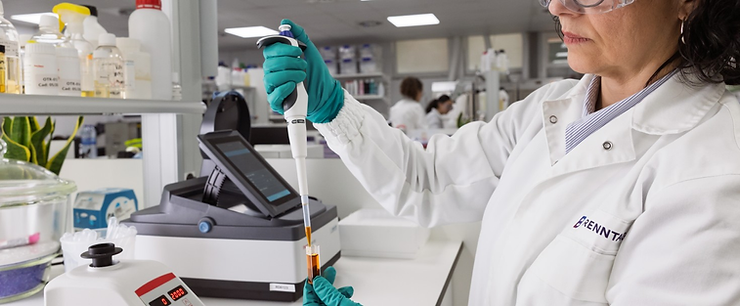
On 3 August 2026, Germany's Brenntag agreed to acquire Woojin Trading, a Korean beauty ingredients distributor, at an enterprise value KED Global reported at about $35 million. It is the latest in a run of foreign acquisitions targeting the K-beauty supply chain rather than K-beauty brands. The track record of returns over the past three years suggests the buyers have this the right way round: Korean brands bought by global strategics have seen earnings fall, while the packaging and ingredients companies that supply every brand in the category have delivered some of the strongest private equity exits in Korea.
August 8, 2026 · Jimmy Cho
Kolmar Korea's ReefTox Verification: Why Korean ODMs Now Sell Certification, Not Formulas
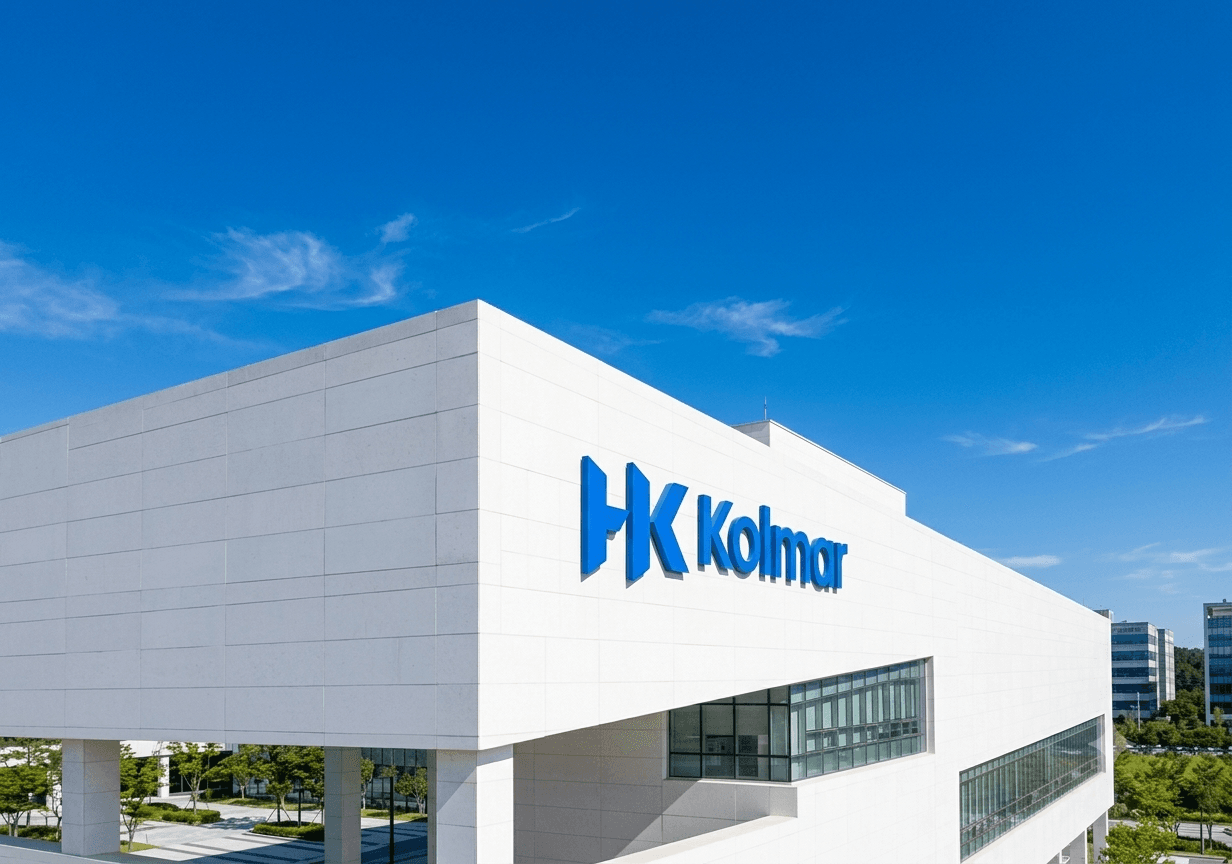
Kolmar Korea announced on 6 August 2026 that it is the first Korean company to establish a scientific verification system for coral reef sunscreen safety, through French testing organisation ReefTox. The commercially significant part is not the environmental result but the business model: Korean contract manufacturers are increasingly selling clients the ability to make a defensible claim, rather than selling a formulation. This is the same logic behind Kolmar's thirteen-year investment in US FDA over-the-counter certification ahead of the June 2026 bemotrizinol decision.