On November 2, 2026, Boots launched a dedicated K-Wellness range in the UK: four Korean brands, three ranges it sourced itself, and products such as chia fiber jellies, collagen cool melts and popping vitamins. The rollout is small against an estate of more than 1,800 stores, with BB LAB in 200 stores, three exclusive brands in more than 50 and Wellness Zones in more than 30. The footprint is not the story. The names are: three of the seven brands belong to Boots.
What did Boots launch on November 2?
Boots announced K-Wellness as a dedicated offering built on its K-beauty business. RIN, PrePear and Seoul Tonic are exclusive to Boots, sold online and in more than 50 stores. BB LAB, an established Korean brand, sells on boots.com and in 200 stores from November. Three further ranges, Seoul Bloom, Yongsan Wellbeing and HABI x K-Wellness, are sourced by Boots itself.
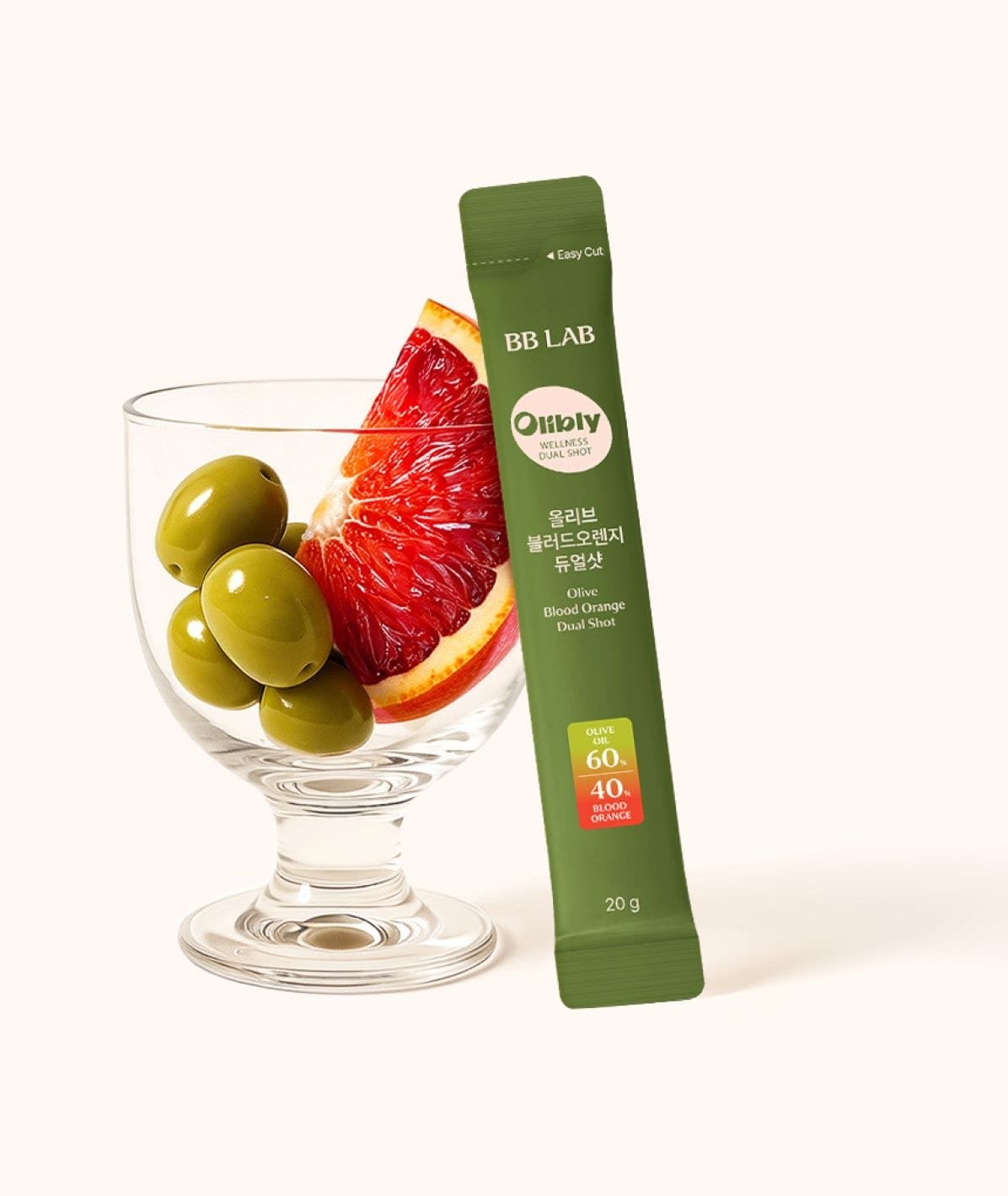
The formats are the point of difference from a vitamin aisle: chia fiber jellies, collagen cool melts, hyaluronic acid supplements, popping vitamins and, from RIN, collagen jelly sticks and a glutathione oral dissolving strip. Joe Thorley-Mitchell, director of Boots Brand, called the launch a bold new era of wellness for Boots and the wider industry.
Which brands does Boots own, and which does it only stock?
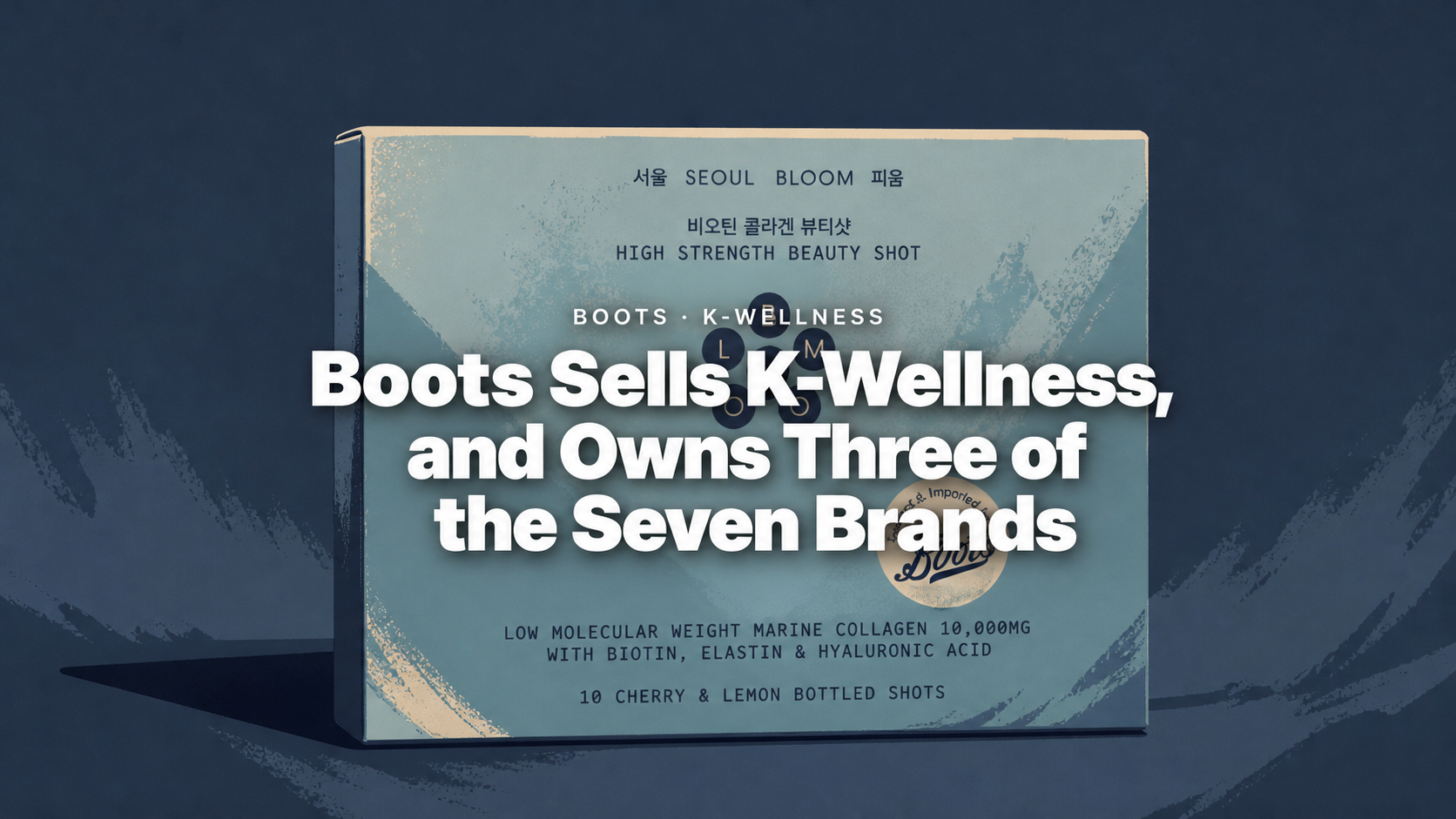
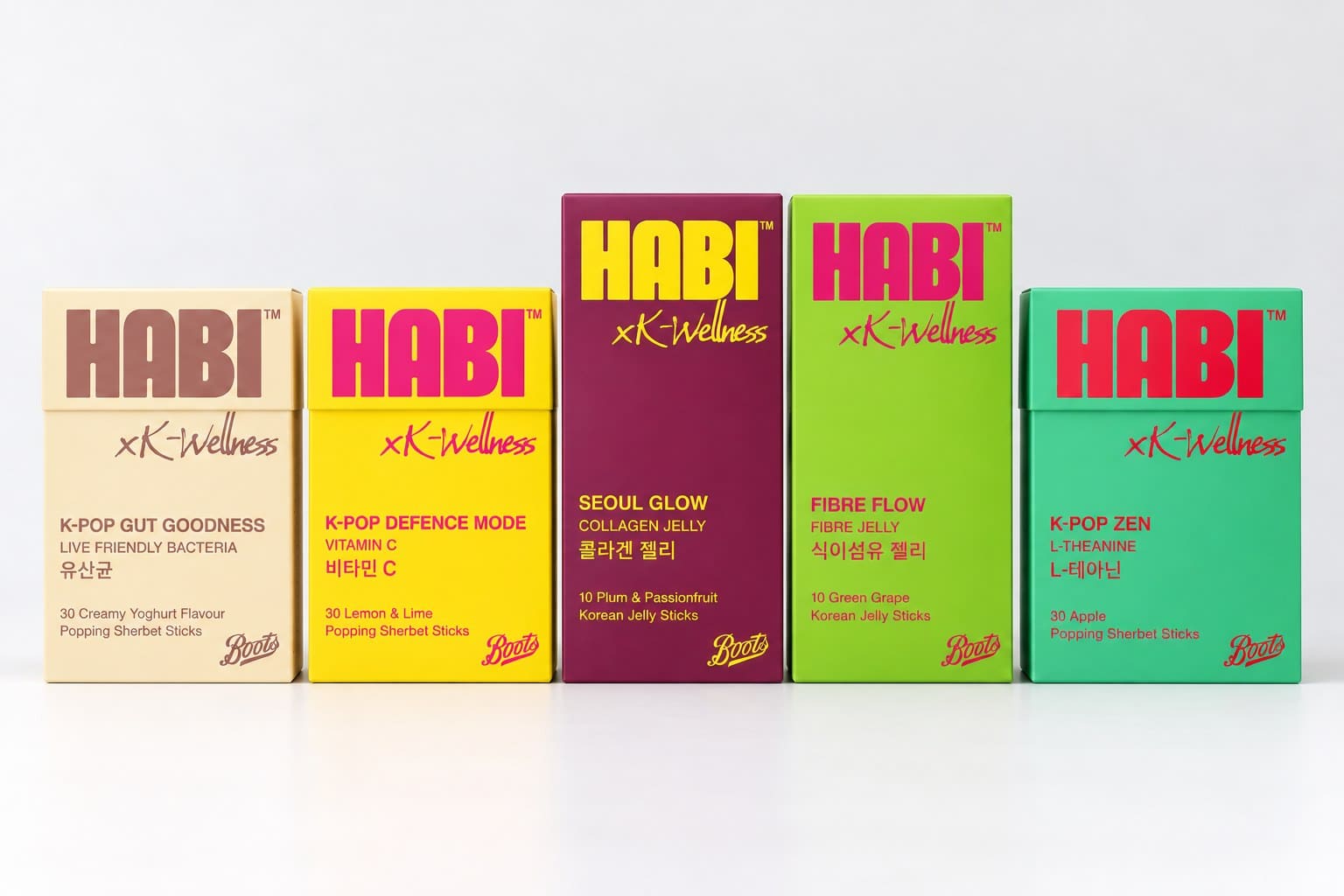
Boots owns the three sourced ranges. Seoul Bloom has five edible beauty products built on ingredients familiar from K-beauty, including hyaluronic acid, marine collagen peptides and retinol. Yongsan Wellbeing has six products with red ginseng, pineapple enzyme, inulin fiber, chia and prune, sold as powder sachets and fiber jellies. HABI x K-Wellness adds five products to Boots' existing HABI line in K-pop-inspired packaging. That is 16 products under Boots-controlled names.
A November 6, 2026 report said Boots registered trademarks for SEOUL BLOOM, YONGSAN WELLBEING, YONGSAN WELLBEING BY BOOTS and SEOUL BLOOM Pium around summer 2026, covering vitamins, supplements and supplement drinks. Two of the Boots names are Seoul place names, and the trademarks belong to a British retailer.
How thin is the rollout against the whole estate?
Boots counted more than 1,800 stores and more than 51,000 team members as of February 28, 2026. Against that base, BB LAB's 200 stores are roughly 11 percent of the estate, the exclusive brands' 50 stores about 3 percent, and the 30 Wellness Zones under 2 percent.
The launch is a national-scale pilot. Boots has more than 500 Health and Wellness Specialists across the UK, and the zones are where those specialists work. A new category lands first where the staff who can explain it already stand.
Why does the demand data come before the products?
Boots argues the launch from its own numbers. Korean beauty sales grew at triple-digit rates year over year by volume in the 12 months to September 24, 2026. One K-skincare product sold every seven seconds between January 23, 2025 and January 22, 2026. Searches for the word wellness on boots.com rose more than 200 percent over 12 months, and HABI sells two products a minute.
Grace Vernon, director of international retail partnerships at Boots Ignite and Trends, said social media is accelerating cultural trends, with Korea leading in beauty and wellness innovation, and described K-Wellness as the next chapter after K-beauty. Vernon added that Boots looks past social media popularity for real innovation. The sourcing brief starts from the search box.
Why edible beauty, and why now?
The ingredient vocabulary has already crossed the aisle. Collagen, hyaluronic acid, dietary fiber and red ginseng headline the K-Wellness range exactly as they headline a serum label. A Boots shopper who learned to read a K-beauty ingredient list for skin is handed the same words for the digestive tract.
That makes K-Wellness a line extension for the shopper even where it is a new category for the store. The customer, the trust and the vocabulary are the same. Only the format changes, from cream to jelly, strip and sachet.
How does Boots Ignite shorten the path to the shelf?
Boots Ignite is the retailer's accelerator for identifying, launching and scaling emerging brands, and Boots says it brings brands to market in weeks rather than months. Ignite has introduced 21 K-beauty brands, including Medicube, and Boots now offers more than 40 brands across K-beauty, K-fragrance, K-hair and K-pharmacy.
K-Wellness applies the same machine to supplements: scout a category, source with local experts, put some brands exclusively on Boots shelves and build others as Boots' own. The retailer is running a supply chain on a product-development schedule, and the schedule is set by Boots.
What are Korean companies doing at the same moment?
Olive Young introduced a wellness platform, Olive Better, in 2026. Goodai Global launched an inner-beauty brand in October 2026. APR signed a memorandum of understanding in April 2026 with Natural Way, a health functional food contract manufacturer. Korea's health functional food exports reached 452.4 billion won in 2025 (about US$340 million at 1,330 won per US dollar on November 19, 2026), up 19.0 percent, and sales of Korean inner-beauty products on Qoo10 Japan rose more than 60 percent.
Korean companies are extending their own brands into wellness through contract manufacturers. Boots is building retailer-owned brands that draw on the same Korean formulation capacity. The supply base is shared, and the brand name on the pack decides who keeps the margin.
What does the packaging say about country of origin?
The range carries a visual vocabulary of Korean motifs: beoseon, the traditional Korean sock, mugunghwa, the national flower, ggachi, the magpie, haetae, a guardian creature, and Gyeongbokgung palace. HABI's packaging draws on K-pop.
Origin is a spectrum on this shelf. BB LAB and RIN are Korean-born brands. Seoul Tonic and PrePear are inspired by Korean legacy. Seoul Bloom and Yongsan Wellbeing are Boots-owned names developed with Korean experts. Each step to the right is further from a Korean company and closer to a Korean look.
Why does a Wellness Zone with specialists matter?
A serum sells from a swatch and a label. A collagen jelly or a glutathione strip sells from an explanation of what it is for and how to take it. Boots has put dedicated zones in more than 30 stores and 500 specialists behind its health and wellness range.
The retailer is also selling advice. In supplements, the person who explains the product is part of the product, and a pharmacy-led estate holds that asset by design.
Who earns the margin on a K-wellness shelf?
Three of the seven brands belong to Boots. The retailer owns the trademarks, the search data, the specialists and the shelf. Korean companies supply formulation, manufacturing capacity and a cultural vocabulary that shoppers recognize on sight.
K-beauty taught retailers that Korea sells. K-Wellness teaches them they can own the name.